
See also


 06.03.2026 12:53 AM
From one extreme to another. Investors are trying to answer the question of how long all of this will last in the Middle East. Rumors of impending peace lead to rising EUR/USD quotes. However, as soon as this information is refuted, the US dollar retraces its losses. This happened with the New York Times report about Tehran officials seeking contacts with the CIA to discuss conditions for ending the conflict. It also occurred with the information that Iran is ready to abandon its uranium reserves. The subsequent rejections brought the EUR bulls back down to earth.
Typically, after some upheaval comes shock, followed by the market attempting to make sense of the situation. This manifests as the consolidation of EUR/USD. In response to Donald Trump's optimism regarding the effectiveness of operations in the Middle East, Tehran has stated that the intensity of hostilities will increase in the near future. Iran is preparing for a leadership change, and the US will be watching closely. The occupant of the White House does not rule out the Venezuelan scenario, in which the new leadership of the country cooperates with Washington.
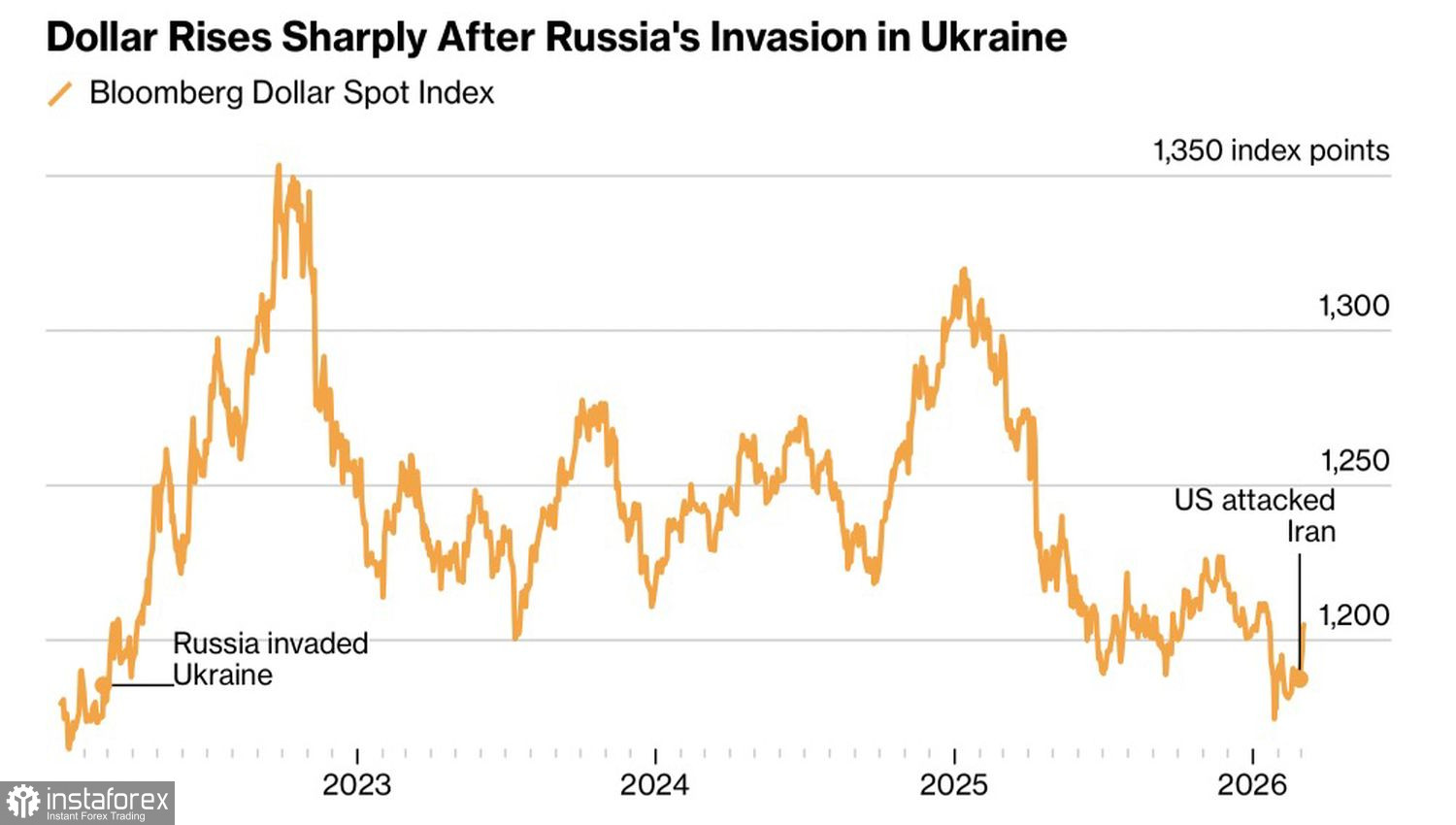
For the markets, the main question is—how long? Investors are choosing between a 12-day war in the summer of 2025, when the US and Israel attacked Iran, which caused a spike in oil prices that quickly dwindled, or an environment more similar to 2022. At the start of the armed conflict in Ukraine, very similar events occurred: the US dollar strengthened due to fears that inflation would force the Fed to aggressively raise rates, which ultimately did happen.
Danske Bank does not believe that history from four years ago will repeat itself, and that events in the Middle East will trigger an inflation shock. For that, a long-term blockage of the Strait of Hormuz would be necessary. Iran is prepared for this. Trump's intention to provide protection for tankers passing through the strait provoked Tehran's statement about using anti-ship missiles. This will not seem trivial to anyone.
There is a sense that any speech by Trump provokes anger in Iran. He clearly has not resigned himself to his fate and is ready to retaliate against the Americans. The key question, however, is whether Washington is prepared for a prolonged confrontation.
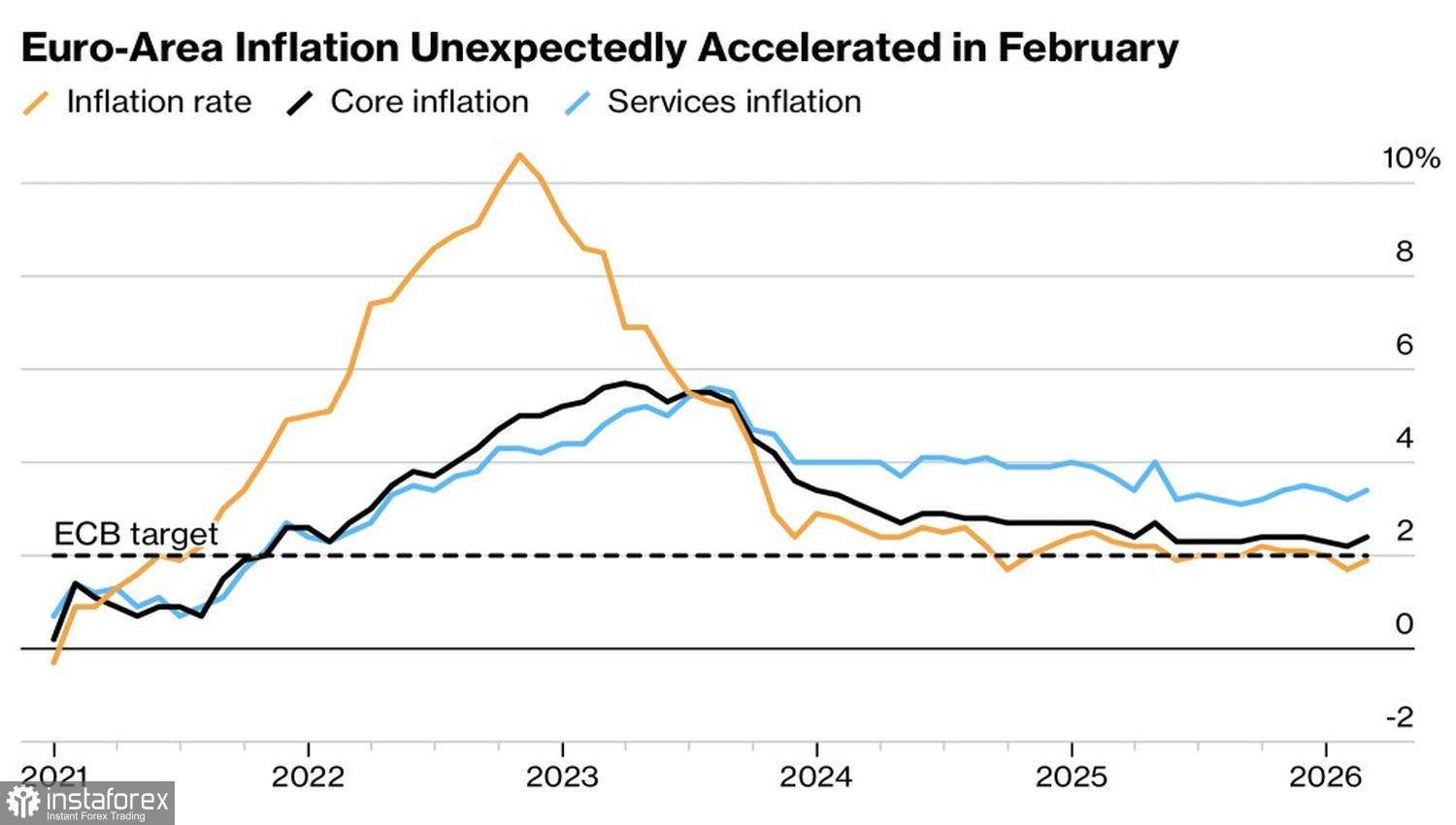
In oil-importing countries, a stagflationary scenario is emerging. When inflation threatens to accelerate amid rising oil prices while economic growth slows, it poses a significant challenge. According to Bundesbank President Joachim Nagel, addressing the first issue is more critical. This implies that the ECB is more likely to raise rates than to lower them, which should support the euro in the medium term, especially if "Operation Epic Fury" lasts weeks rather than months.
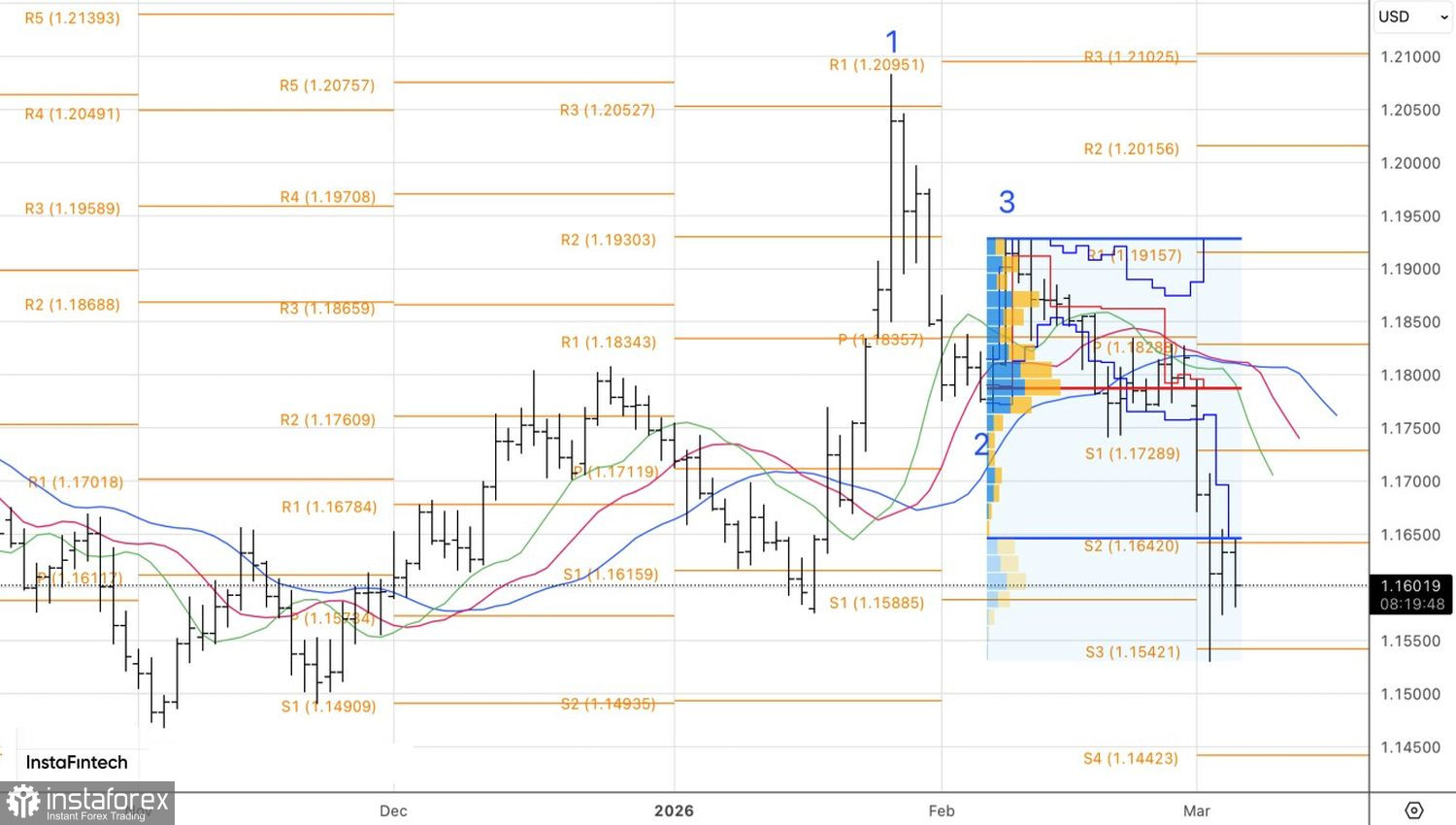
Technically, a combination of two inside bars may form on the daily chart of EUR/USD, signaling high market uncertainty. It makes sense to set pending orders to buy euros at $1.1645 and sell at $1.1580.


