Vea también


 29.06.2026 08:45 AM
The US dollar faced some pressure on Friday but managed to recover much of the positions it lost against the euro, pound, and other risk assets by the end of the day.
Positive data from the University of Michigan, along with a firm tone from Federal Reserve officials, strengthened the dollar's position. The consumer sentiment index data published on Friday exceeded analysts' forecasts, signaling the resilience of the US economy. Despite high interest rates, households are showing optimism, which reduces the likelihood of a rapid recession and gives the Fed additional maneuvering room in its fight against inflation.
This effect was amplified by the rhetoric from monetary authorities. Several high-ranking Fed officials made statements that the market interpreted as distinctly hawkish. They emphasized that the process of bringing inflation back to the 2% target is not yet complete and that the potential for further monetary policy tightening, if needed, remains on the table.
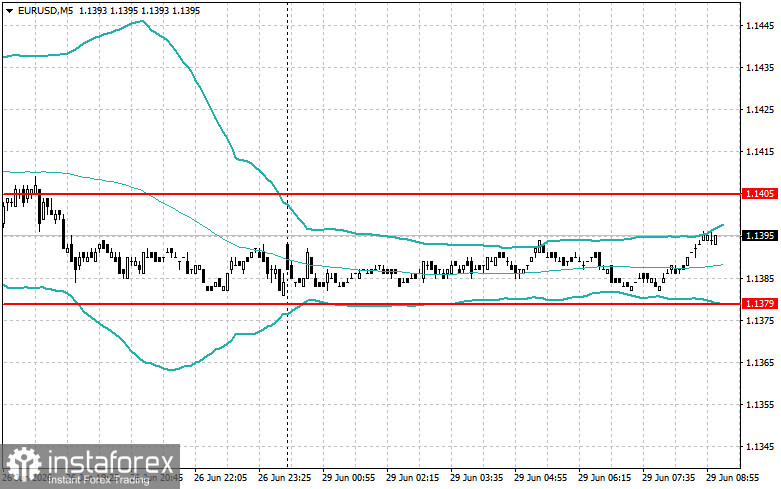
Today, in the first half of the day, figures on private-sector lending in the Eurozone and changes in the M3 money supply aggregate are expected, as well as a speech by European Central Bank President Christine Lagarde. This macroeconomic bloc is unlikely to make significant corrections to the euro's dynamics, which have recently been under strong pressure due to the global strengthening of the dollar.
Market participants will pay particular attention to the release of money supply data. The M3 aggregate, which reflects the total volume of cash and liquid assets in the economy, is a key leading indicator of inflationary processes. A slowdown in private-sector lending signals that high-interest rates are beginning to exert a restraining influence on business activity, which will inevitably provoke lively discussions about the timing of a possible easing of the central bank's rhetoric.
However, the true catalyst for volatility will be Christine Lagarde's speech. Traders will carefully analyze every word from the head of the ECB for hints about the trajectory of future rate hikes.
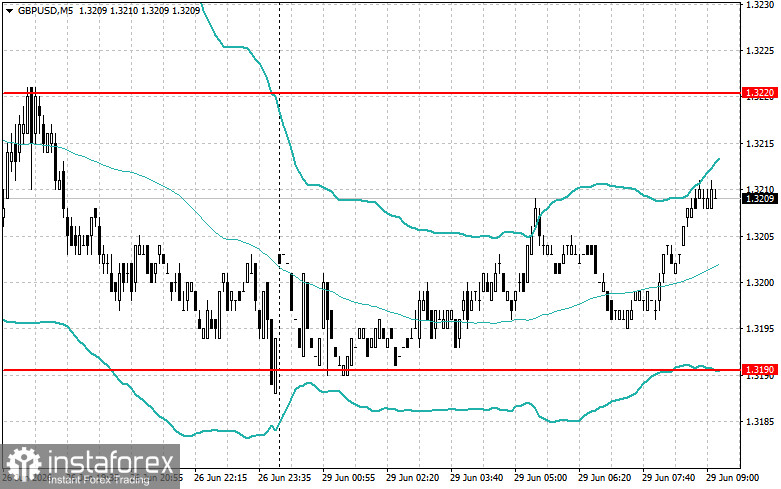
As for the pound, in the first half of the day today, data on the number of approved mortgage applications in the UK, the volume of net personal loans, and a speech by Bank of England MPC member Huw Pill are expected. However, this saturated information backdrop is unlikely to be a defining factor for the currency market. The publication of mortgage lending and consumer loan figures traditionally serves as a sensitive barometer of households' willingness to spend and borrow amid multi-year peak interest rates; however, the current consensus forecast indicates a gradual cooling of demand. A decrease in the number of approved mortgage applications will be irrefutable evidence that the central bank's tight monetary policy continues to penetrate the real sector.
If the data aligns with economists' expectations, it would be better to act based on the Mean Reversion strategy. If the data turns out to be significantly higher or lower than economists' expectations, it is best to use the Momentum strategy.