
Lihat juga


 08.10.2026 06:38 PM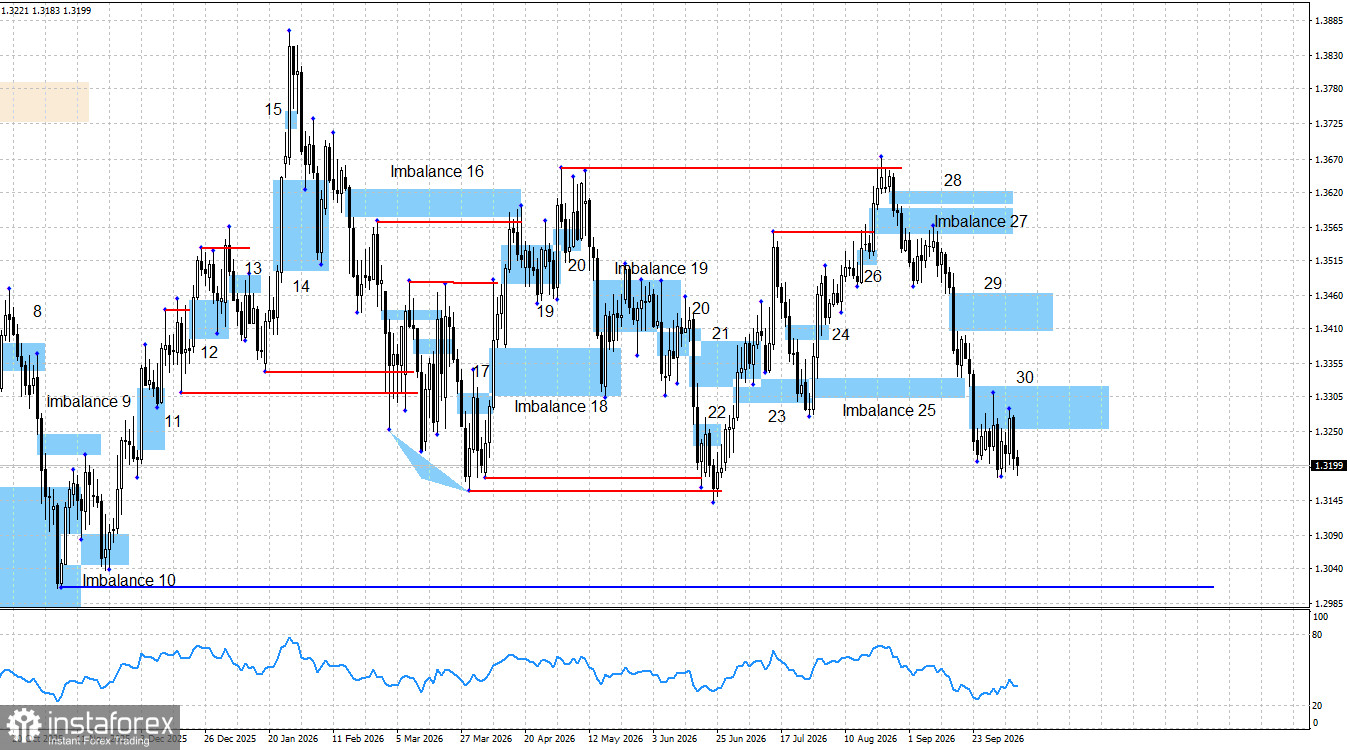
The GBP/USD pair was in an almost uninterrupted decline for eleven days, but for the past two weeks, bulls have been putting strong resistance to bears, preventing further downward movement. At present, any corrective rebound is being limited by bearish imbalance 30, which is acting as a resistance zone. There are currently few reasons for optimism among the bulls. Over the weekend, an armed conflict began in Yemen, while the market reacted to Friday's Nonfarm Payrolls report and unemployment rate only superficially. The pound had opportunities last week following a series of hawkish statements from Bank of England policymakers and a strong second-quarter GDP report, but, as can be seen, this information provided no meaningful support for the pound. The bullish side appears weak, and this weakness is difficult to explain. The fundamental background for the euro and the pound is not currently negative enough to prevent both currencies from showing at least some growth.
It should be noted that traders expect the Bank of England to implement the same two monetary policy tightenings as the Federal Reserve. Moreover, as noted earlier, the dot plot points to only one policy tightening, and yesterday's FOMC minutes confirmed that most central bank policymakers expect only one tightening. Therefore, the Bank of England could ultimately raise interest rates even more than the Federal Reserve in the coming months, which clearly should not support further gains in the U.S. currency. However, it is the dollar that is rising in most cases.
Despite the unfavorable conditions for the British pound in recent weeks, the dollar has also experienced numerous setbacks in recent months. Without the Federal Reserve's decision to raise interest rates in September and its willingness to continue tightening monetary policy, a decline in the U.S. currency would still be the expected scenario. That expectation remains, but from lower levels. At present, however, the bulls' opportunities are limited to a liquidity sweep of the low from July 28 or June 24, as well as the formation of new bullish patterns, which would require a sustained increase in price. The chart clearly shows that most reversals over the past year occurred following liquidity sweeps, so this remains a potentially favorable setup. The reaction to bearish imbalance 30 remains weak, which could indicate that the bearish momentum is losing strength. This may provide an opportunity for the pound. A limited opportunity, but an opportunity nonetheless.
Do the bears still have further downward potential? There is not much of it, but it should be acknowledged that the dollar remains in a favorable period and retains strong chances of continuing to rise until imbalance 30 is invalidated. Technical analysis shows that the overall picture remains fully bearish following the liquidity sweep of the May highs. The pound reacted to bearish imbalance 27, which triggered a 320-point decline in the price. Now, bearish imbalance 30 provides grounds to expect a further decline in the pound.
There was no significant economic news on Thursday. Therefore, trader activity was limited today, but it should be noted that there was also little fundamental news yesterday, apart from the FOMC minutes. Nevertheless, trader activity was high yesterday, and the bears were again the only side actively pushing the market lower. The current market situation is such that the dollar could resume its advance at any time, regardless of any particular event or economic report.
The overall fundamental background remains such that, in the long term, the only expected scenario for the U.S. currency is a decline. The conflict between Iran and the United States has not changed this outlook. Geopolitical developments caused the market to focus on the dollar's safe-haven status for several months, but the conflict has already passed its most acute phase. The future course of FOMC monetary policy remains uncertain, while the market continues to anticipate further tightening, which is the main reason for the bears' positive sentiment. However, traders continue to overlook the Bank of England's monetary policy tightening, as indicated by several recent statements from MPC members. Inflation in the United Kingdom is also rising, as it is globally, leaving the Bank of England with no alternative but to raise interest rates as well.
Economic Calendar for the United States and the United Kingdom:
On October 9, the economic calendar contains only one secondary release. The impact of the economic background on market sentiment on Friday is expected to be weak or absent.
GBP/USD Forecast and Trading Advice:
The long-term outlook for the pound remains bullish. In recent weeks, the bears have controlled the market, but overall, a range is also visible on the daily chart. The liquidity sweep of the swing low from May 1 triggered a new decline, while the sell signal within inverted imbalance 27 allowed the decline to continue. Therefore, the pound remains under downward pressure, which could continue toward the June lows. A liquidity sweep of those lows could then occur, followed by a reversal in favor of the pound. The current reaction to imbalance 30 remains weak, which is where the pound's opportunity lies. However, for traders to expect the pound to rise, something more than a weak reaction to a bearish pattern during a bearish impulse is required. The pound and the bulls need a structural break, or at least an invalidation of imbalance 30.


