Veja também


 17.04.2026 11:38 AM
Gold (XAU/USD) continues to face a lack of sustained demand and remains below the $4800 level, staying under pressure ahead of the European trading session opening on Friday. Despite intensified diplomatic efforts aimed at resolving tensions in the Middle East, friction between the US and Iran persists amid the ongoing US naval blockade of Iranian ports. This factor continues to support the dollar's status as the global reserve currency and puts pressure on commodity prices.
At the same time, a temporary 10-day ceasefire between Israel and Lebanon has strengthened expectations of a possible diplomatic breakthrough between Washington and Tehran. On Thursday, US President Donald Trump expressed confidence that Iran is on the verge of reaching an agreement. According to The Wall Street Journal, the parties have reached a preliminary understanding to hold a new round of negotiations, although specific timing and location have not yet been determined.
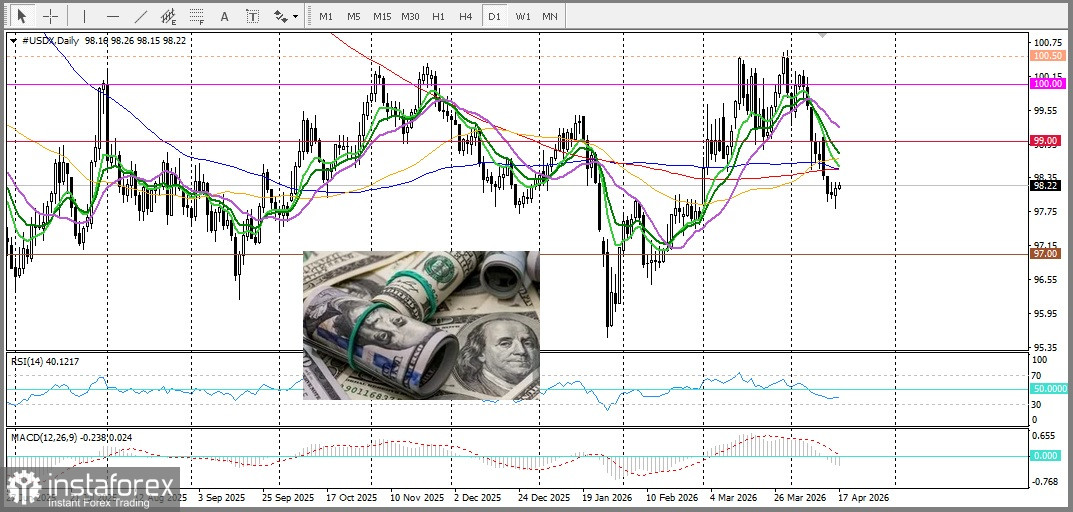
Nevertheless, ongoing market optimism toward risk assets, along with reduced expectations of further monetary tightening by the Federal Reserve, is limiting the US dollar's recovery potential after it recently hit a new March low.
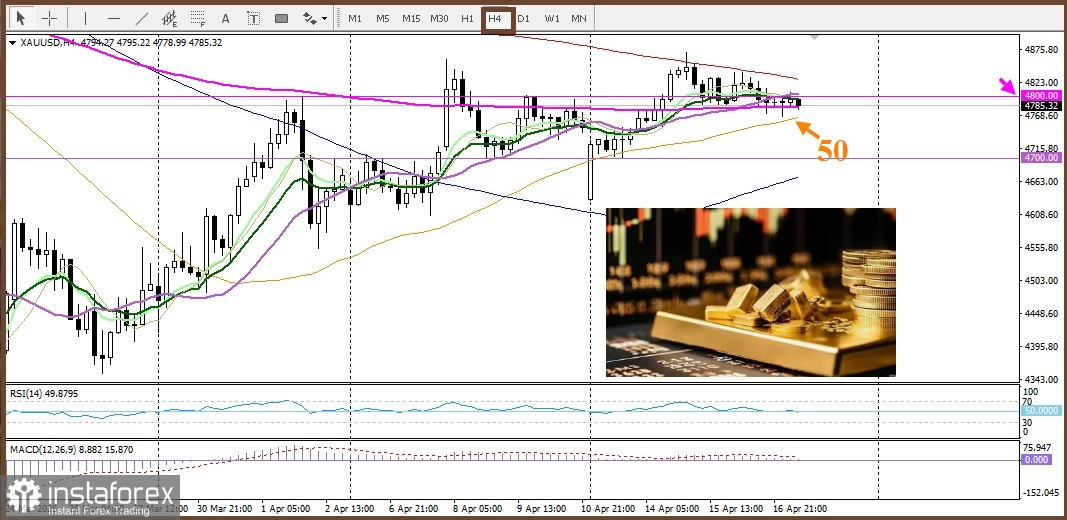
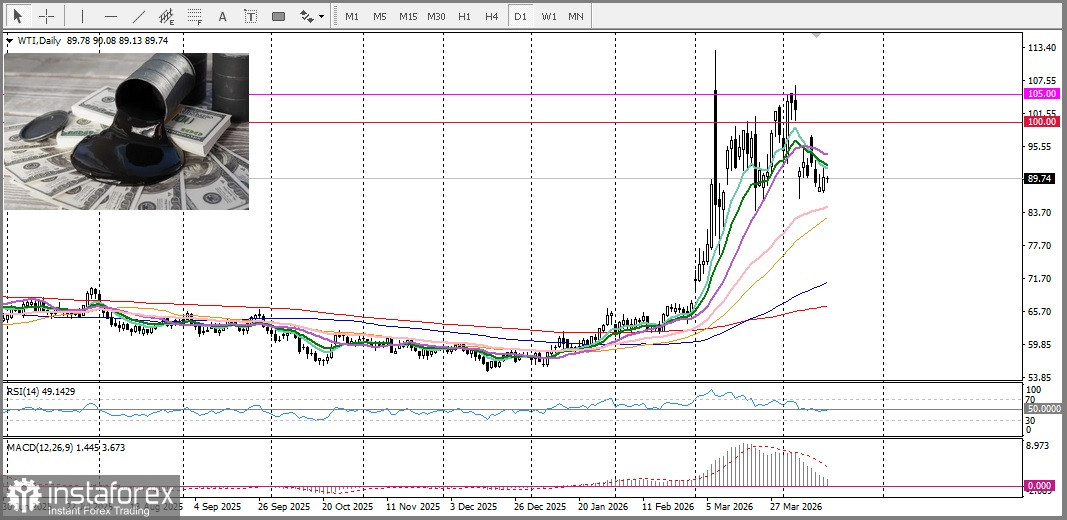
Against this backdrop, gold managed to rebound toward the psychological $4800 level. Previously released US Producer Price Index (PPI) data eased investor concerns about inflationary pressure driven by rising energy prices amid the conflict. Additionally, expectations of further de-escalation in the Middle East are keeping oil prices under pressure, which in turn reduces the likelihood of a more aggressive Fed policy stance.
Currently, market participants estimate about a 30% probability of a Federal Reserve rate cut by the end of the year. This limits interest in further dollar strengthening and supports gold. Therefore, it may be prudent to wait for more pronounced selling pressure before considering a continuation of the corrective movement from the April high.
No significant US macroeconomic data releases are scheduled for Friday that could impact market dynamics, so further movement of the dollar will largely depend on comments from FOMC officials. Investors' focus will remain on a potential new round of negotiations between the US and Iran, which could take place as early as the weekend.
It is expected that news flow around these events will continue to drive heightened volatility in financial markets and create conditions for new momentum in gold price movements. Despite current fluctuations, the XAU/USD pair has been showing a moderate upward trend for the third consecutive week.
From a technical perspective, the failed attempt to break above the 200-period simple moving average (SMA) on the 4-hour chart calls for caution among bullish traders. However, the 50-period SMA is providing support to the downside, so it would be reasonable to wait for a clearer break below this support zone at $4765 before positioning for further losses.