Lihat juga


 25.05.2026 08:09 AM
The dollar lost its strength and stability immediately after Trump's latest statements regarding the Middle East and rumors that the countries had made a breakthrough in peace negotiations.
Last Friday, the U.S. dollar reacted quite mixedly to the University of Michigan data, demonstrating impulsive yet uncertain dynamics amid unexpectedly gloomy reports. According to published data, the final value of the University of Michigan consumer sentiment index for May 2026 fell to 44.8 points, crashing from the preliminary estimate of 48.2. This outcome was significantly worse than the market consensus forecast, which also stood at 48.2, causing a wave of risk reassessment among investors.
Such a sharp deterioration in sentiment, noted at the very end of spring, became a signal for many market participants that the U.S. economy is facing deep structural challenges. A fall in the index below 45 points is typically associated with growing consumer concerns about inflation and labor market stability, as indicated by the increase in the inflation expectations index to 4.8%.
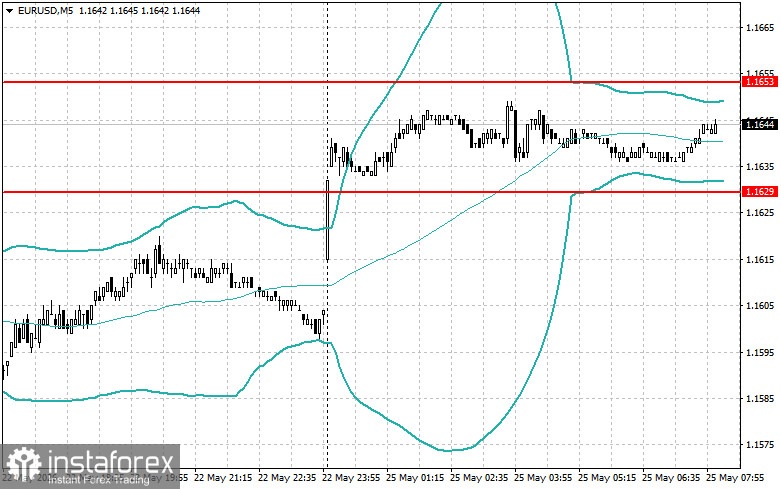
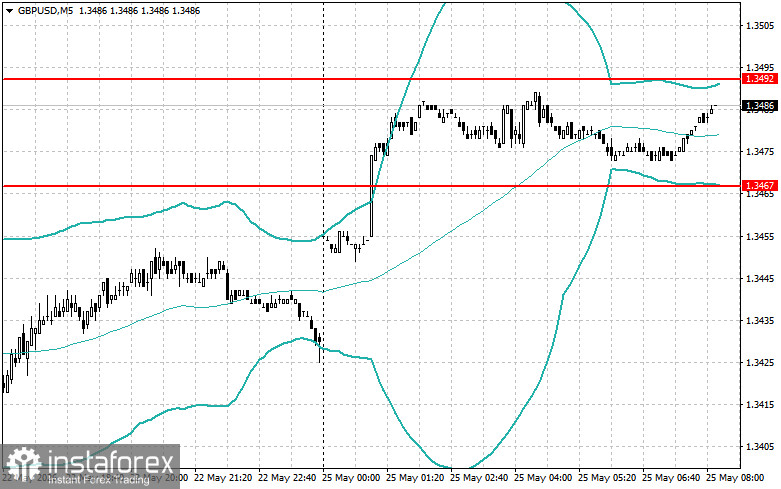
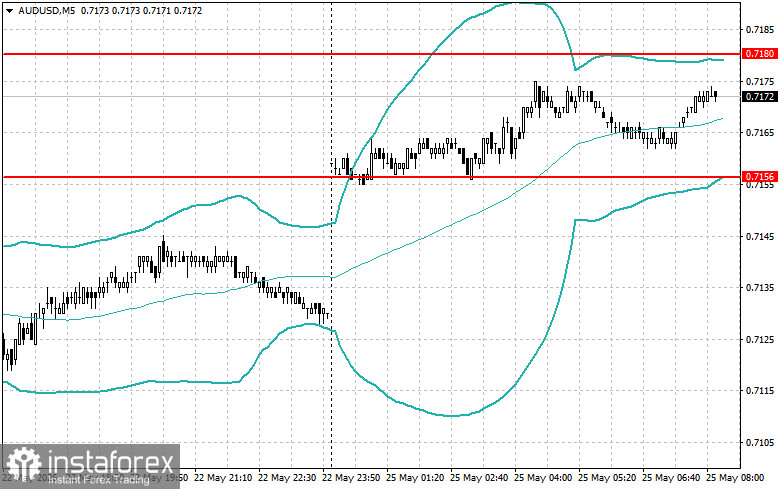
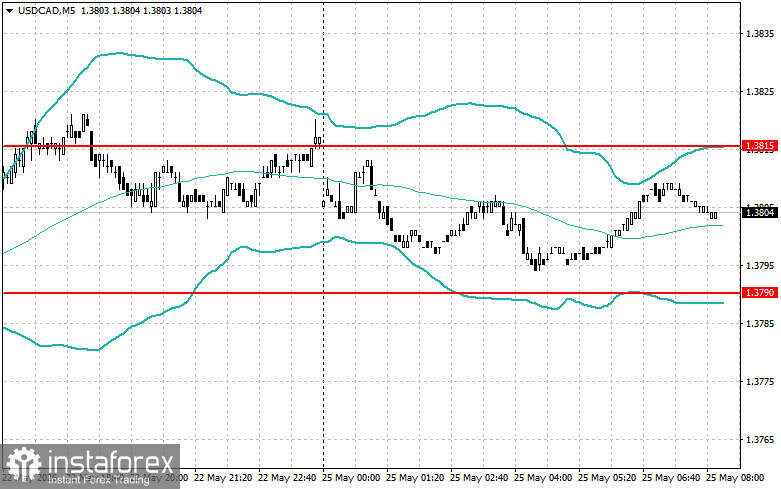
Today, the dollar sharply declined following Trump's statements that a peace agreement has largely been agreed upon and is now awaiting finalization between the U.S., Iran, and other countries. Traders who had been betting on an escalation of the conflict until the last moment began closing their long USD positions en masse, triggering a cascading drop in quotations. The decline of the dollar was accompanied by a noticeable rise in riskier assets. The euro and pound showed signs of stabilizing, as traders began to price in the scenario of easing sanctions and the return of Iranian oil to the global market. This turning point flipped the market narrative, transforming geopolitical uncertainty into hope for global stabilization.
Given that there are no fundamental reports scheduled for today, market participants are likely to continue focusing on the details of the peace agreement. If the data aligns with economists' expectations, it's better to act based on the Mean Reversion strategy. If the data is significantly higher or lower than economists' expectations, it's best to use the Momentum strategy.
For the EUR/USD Pair
For the GBP/USD Pair
For the USD/JPY Pair