
আরও দেখুন


 13.05.2026 01:19 PM
Today, only the Canadian dollar was traded using the Mean Reversion strategy, but it never developed into a proper reversal movement. Through the Momentum strategy, I traded the British pound.
The euro continued to decline against the dollar following rather mediocre Eurozone statistics. GDP and employment change in the first quarter matched economists' forecasts, while industrial production increased by only 0.2% month-over-month versus the expected 0.4% growth. These figures point to stagnation in the European economy, which negatively affects the euro exchange rate. Many expect further weakening of the euro, especially if the economic situation in the Eurozone does not improve in the near future. The key factors to watch are inflation, consumer spending, and the geopolitical environment.
Next, the market awaits U.S. Producer Price Index (PPI) data for April, as well as the core indicator, which excludes food and energy prices. These figures are among the leading indicators of inflationary pressure in the economy and may significantly influence future Federal Reserve decisions on interest rates. The publication of the PPI will provide valuable insight into cost dynamics at various stages of the production cycle. A rise in the PPI may signal that producers could pass higher costs on to consumers, which in turn could accelerate consumer inflation.
Comments are also expected today from FOMC members Susan M. Collins and Neel Kashkari. Their speeches may shed light on the Fed's current views regarding the state of the economy, inflation prospects, and the future path of monetary policy — especially after having two April inflation reports available.
If the statistics are strong, I will rely on the Momentum strategy. If the market shows no reaction to the data, I will continue using the Mean Reversion strategy.
For EUR/USD
For GBP/USD
For USD/JPY
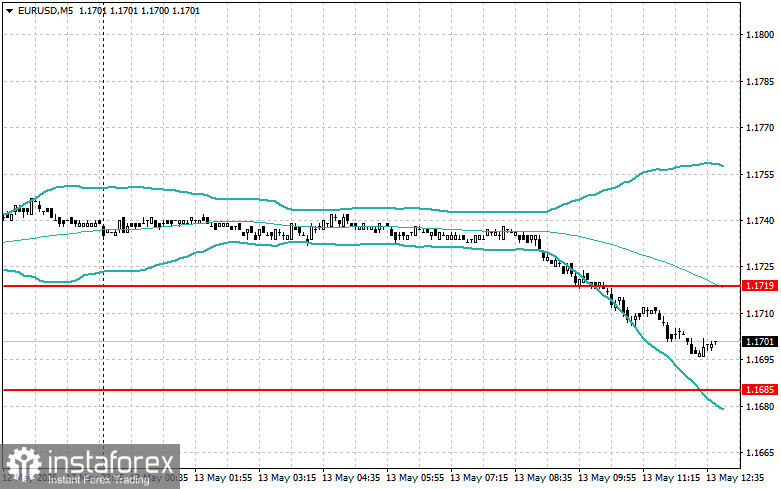
For EUR/USD
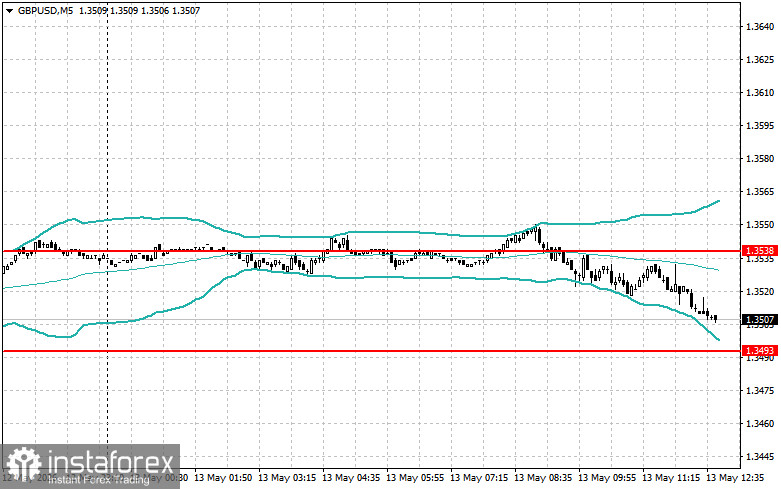
For GBP/USD
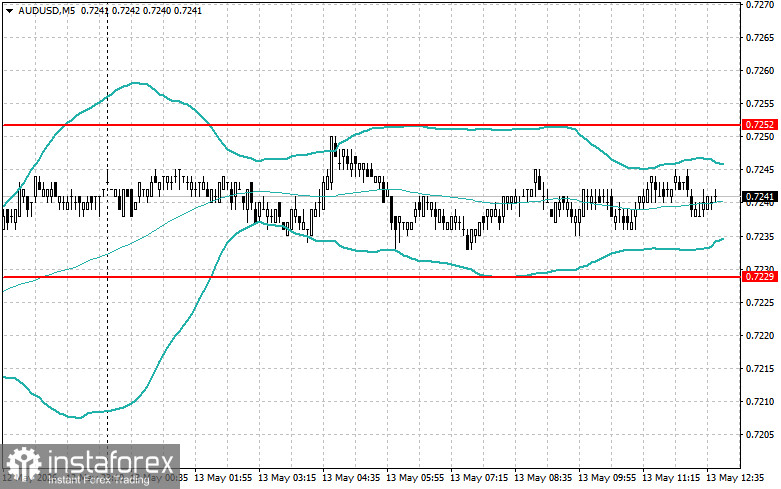
For AUD/USD
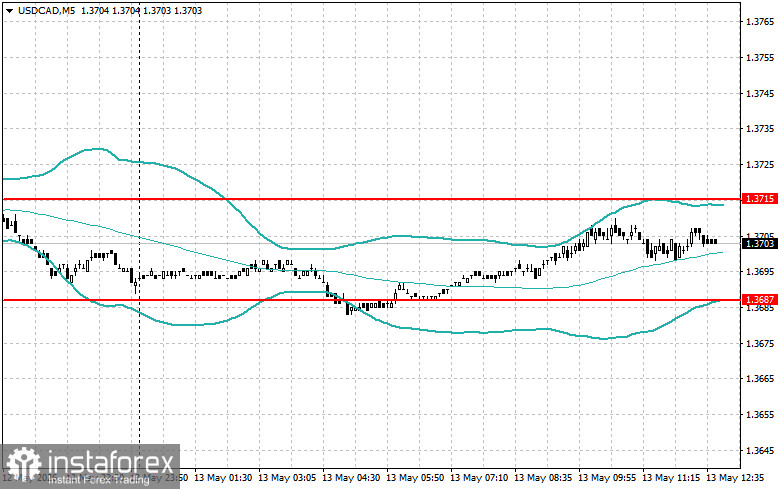
For USD/CAD


